ChronoForms8 Database
How to search a Data List created in ChronoForms8
Learn How to Add a Powerful Search Box to Your ChronoForms8 Data Listing
Published:
Adding a search box feature for your data listing created in ChronoForms8 is very easy using the List Search behavior available in form fields, we explain how to use this powerful feature to make it easier for your users to find the records they need.
Step-by-Step: Connect Joomla Forms to Google Sheets with ChronoForms v8
Complete Guide: Step-by-Step Setup to Save ChronoForms v8 Data to Google Sheets
Published:
This complete guide shows exactly how to configure ChronoForms v8 Joomla forms to save submissions directly to Google Sheets, with all necessary screenshots.
We will also explain how to make your Google Sheet editable by others users.
How to enable and use the Form Debug
Learn How to Enable Form Debug for Essential Action and Data Insights
Published:
In order to display some helpful info about the form actions and data, you need to enable the form debug,
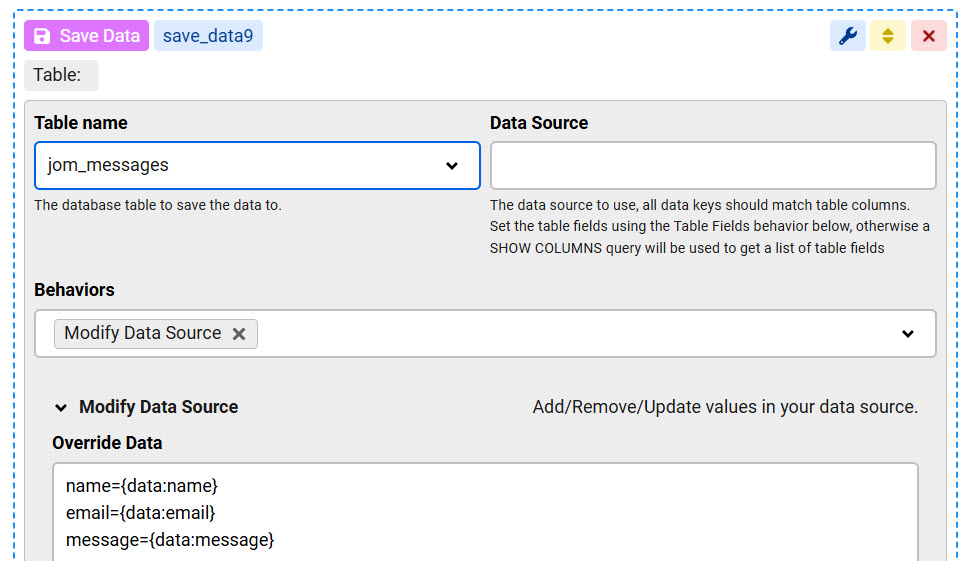
How to save form data to a custom database table using Sava Data action
Learn How to Save Form Data to a Custom Database Table with ChronoForms
Published:
if saving the form data in the forms log is not enough for your needs, you can use the Save Data action to save the form data to a custom database table, this table may already be in your database or you may create it using a database administration tool like PHPMyAdmin or ChronoMyAdmin
How to export saved form data to CSV
Learn How to Export Form Log Data to a CSV File: Step-by-Step Guide
Published:
Here is how you can export stored form log data to a CSV file
How to save and view the form data in Chronoforms8
Learn How to Enable and View Form Log Data
Published:
How to write a full custom SQL query in Chronoforms
Learn How to Use Custom SQL Queries as Data Sources in Chronoforms
Published:

Introducing ChronoMyAdmin for managing your Joomla CMS database
Discover the Ultimate Joomla Database Management Tool: ChronoMyAdmin
Published:
ChronoMyAdmin works for both Joomla & WordPress, which means that you can also use it to manage your WordPress websites databases even if you have no access to phpmyadmin on the same web server.